KL City Opera, 27.10.2025 [European News Agency]
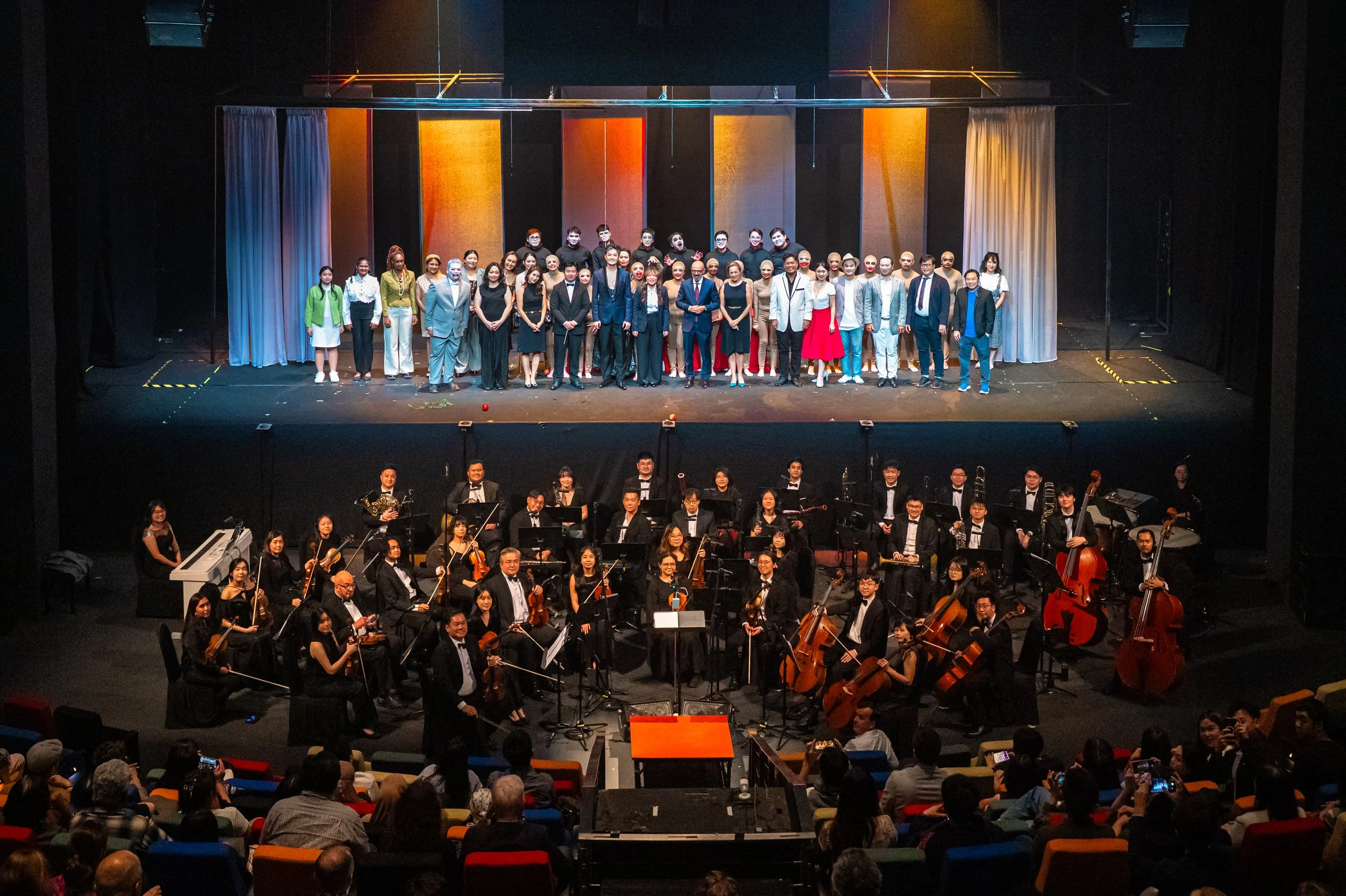
From the opening of the opera overture, KL City Opera staging of Don Giovanni announced its ambition: the orchestra under Bernard Tan struck the opening theme with crisp precision and muscular optimism, laying a foundation of dramatic urgency that carried throughout the evening. Tan’s direction revealed sensitivity to Mozart’s chamber-like textures and a willingness to propel the score into vivid theatrical moment.
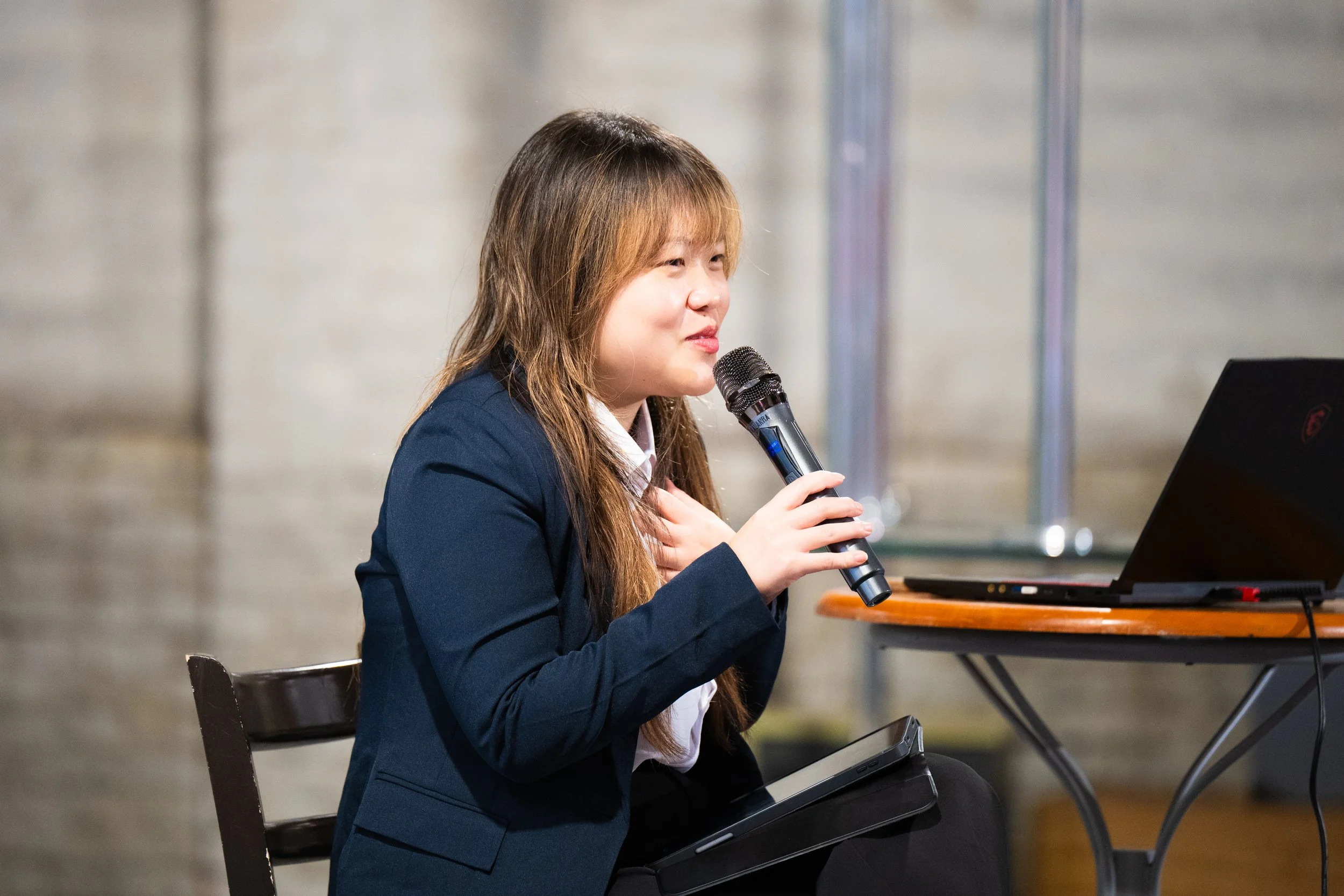
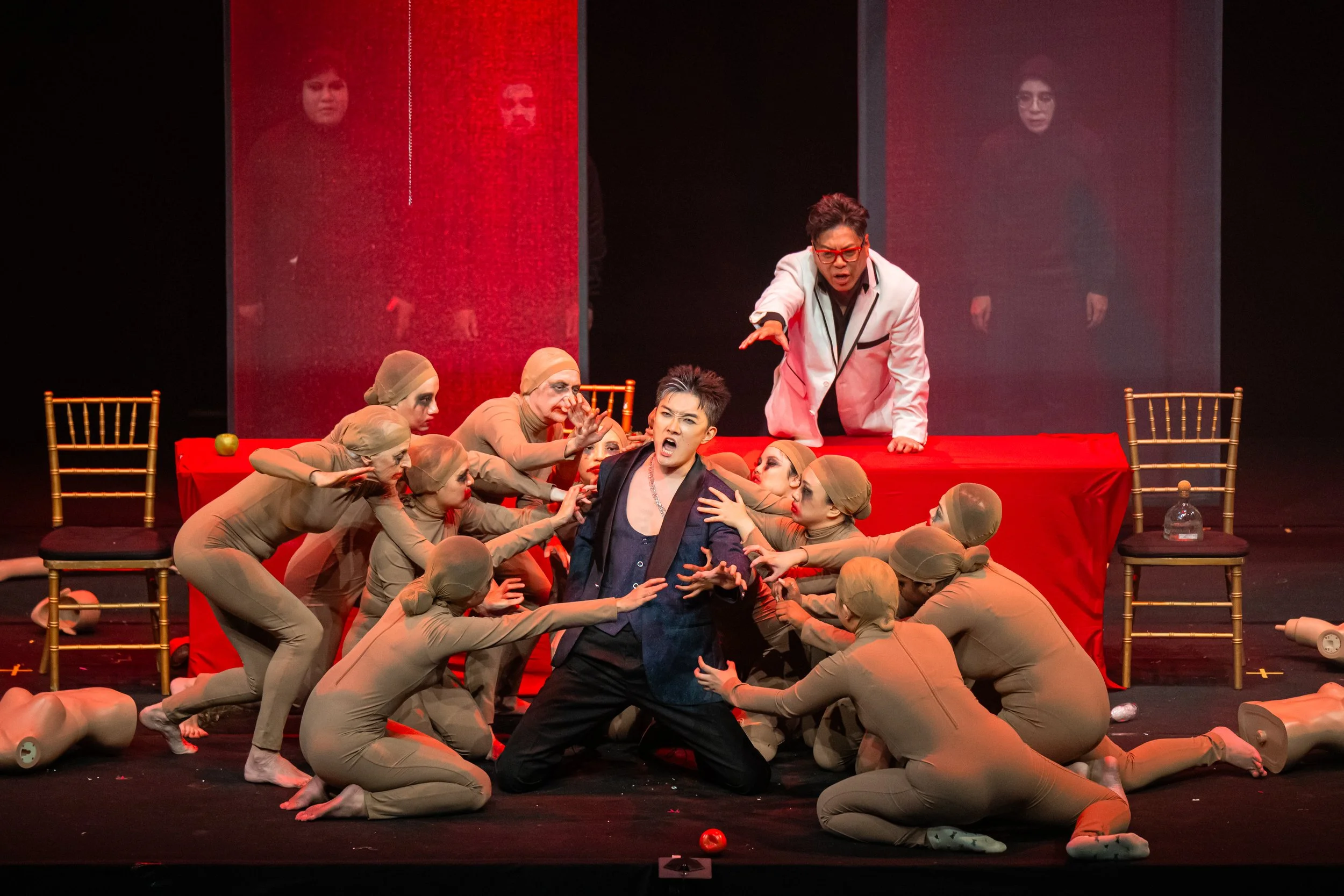
Heather Tan who is the stage director, was responsible for the concept and direction of the production. Thetimpani pulses in the “Champagne” duet sounded rakish, the woodwinds in the finale’s fugato emerged with clarity, and the basses underlined the opera’s darker undercurrents with resonant depth. It was an orchestral performance that could easily stand on its own merit—but it also excelled in supporting the soloists and ensemble with perceptive balance. Chief among the soloists was Cao Yixiao as Don Giovanni, a performance of magnetic charisma, vocal refinement and dramatic subtlety. From his first entrance, Cao inhabited the libertine with ease: his vocal tone was rich and flexible, his phrasing elegantly nuanced, and his stage present. In the “Fin ch’han dal vino” scene he paced the seduction sequence with flair, his color-atura clear and his comedic timing astute. When the narrative shifted into darker terrain—especially at the “Là ci darem la mano” duet with Zerlina and the final confrontation—Cao deftly altered his posture and tone to reflect the rising stakes. He did not caricature the predator, but rather presented Giovanni as an intelligent,dangerously charming figure, making his eventual downfall all the more inevitable. It is rare to encounter such a full-fledged account of Giovanni that brings together vocal elegance, dramatic weight and human vulnerability in one.
Her presence lit the stage each time she entered, and she demonstrated that Zerlina is not simply ingénue but a perceptive young woman caught in the swirl of power and desire. The supporting cast and ensemble likewise upheld a remarkably high standard. Chi Hoe Mak was a superb Leporello—vocally agile with sharp comic timing and an instinctive sense of partnership with the Don. As Donna Anna, Victoria Seungri Kim sang with a luminous soprano and emotional clarity, while Alan Lau (alternating with Heo Yueh Ren brought noble poise and elegant phrasing to Don Ottavio. Donna Elvira was powerfully realised by Saori Suzuki, offering both vocal fire and compelling dramatic volatility.
Complementing Cao’s performance was Angie Cheah as Zerlina, whose portrayal was a model of clarity, warmth and vivacious musicality. Cheah’s voice conveyed a bright lyricism, and her “Batti, batti, o bel Masetto” was beautifully phrased—light, elegantly articulated, expressive without falling into mannerism. Her chemistry with Cao’s Giovanni in the duet radiated authenticity, and her subsequent scene with Masetto showed a grounded sincerity. Importantly, Cheah conjured a sense of agency in Zerlina: when she turns to oppose Giovanni, her defiance feels earned rather than perfunctory.
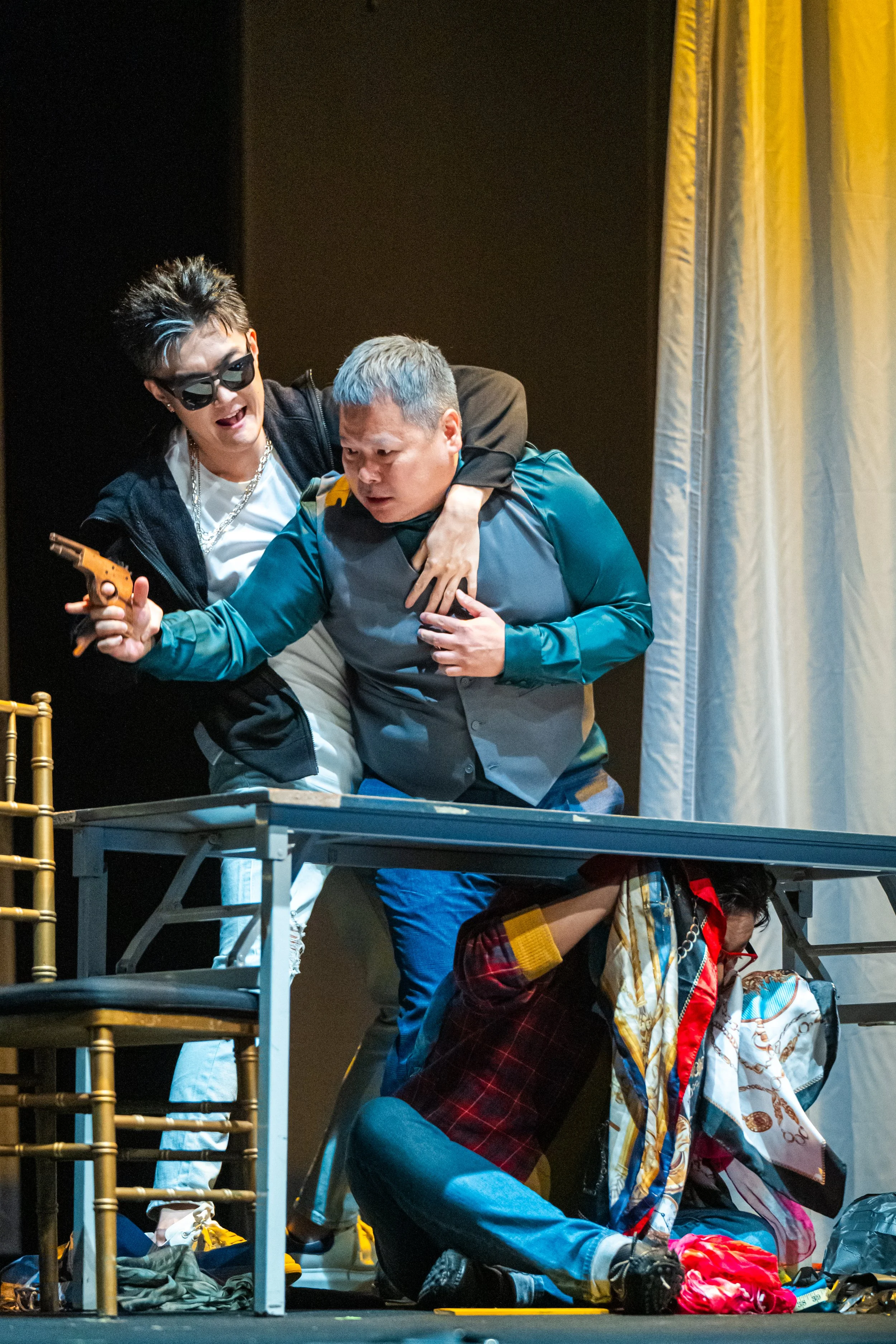
Masetto, portrayed by Joseph Ng, balanced warmth, rustic humour and just the right rough edge. And in the pivotal supernatural role of Il Commendatore, Dennis Lau projected impressive authority and sonorous depth. The chorus contributed polished and resonant ensemble scenes—especially in the finale—reinforcing the moral gravity of Mozart’s conclusion. Throughout, Bernard Tan’s orchestral team interfaced with the stage seamlessly, demonstrating keen dramatic awareness and sensitivity to the vocal lines.
The pacing of the production was well calibrated. Act I opened energetically yet allowed space for character development: Giovanni’s bravado was given full weight, Leporello’s comic fear was allowed to breathe, the “Duet of the Statue” gained in tension. No moment felt rushed though the evening maintained momentum. Act II moved with rising tension—the early seductions, the grave scene, the banquet, culminating in the confrontation—all felt cohesive and sculpted rather than episodic. Tan’s orchestral transitions were smooth, aiding the dramatic flow rather than interrupting it. The audience followed the arc of Giovanni’s hubris, his unraveling and fate, with clear emotional logic.
On the musical-technical front there were features worth noting: the orchestra under Tan often gave transparent accompaniment—woodwinds and horns balanced well with the singers, the continuo group (harpsichord/cello) in the recitatives was clear and supportive, and the brass (critical in the storm and Commendatore scene) were powerful without overwhelming. The balance between pit and stage was particularly good for a modern venue like KLPac. Many newer productions risk burying the singers under heavy orchestration; here the singers remained audible and expressive, yet the orchestra retained dynamic vibrancy.
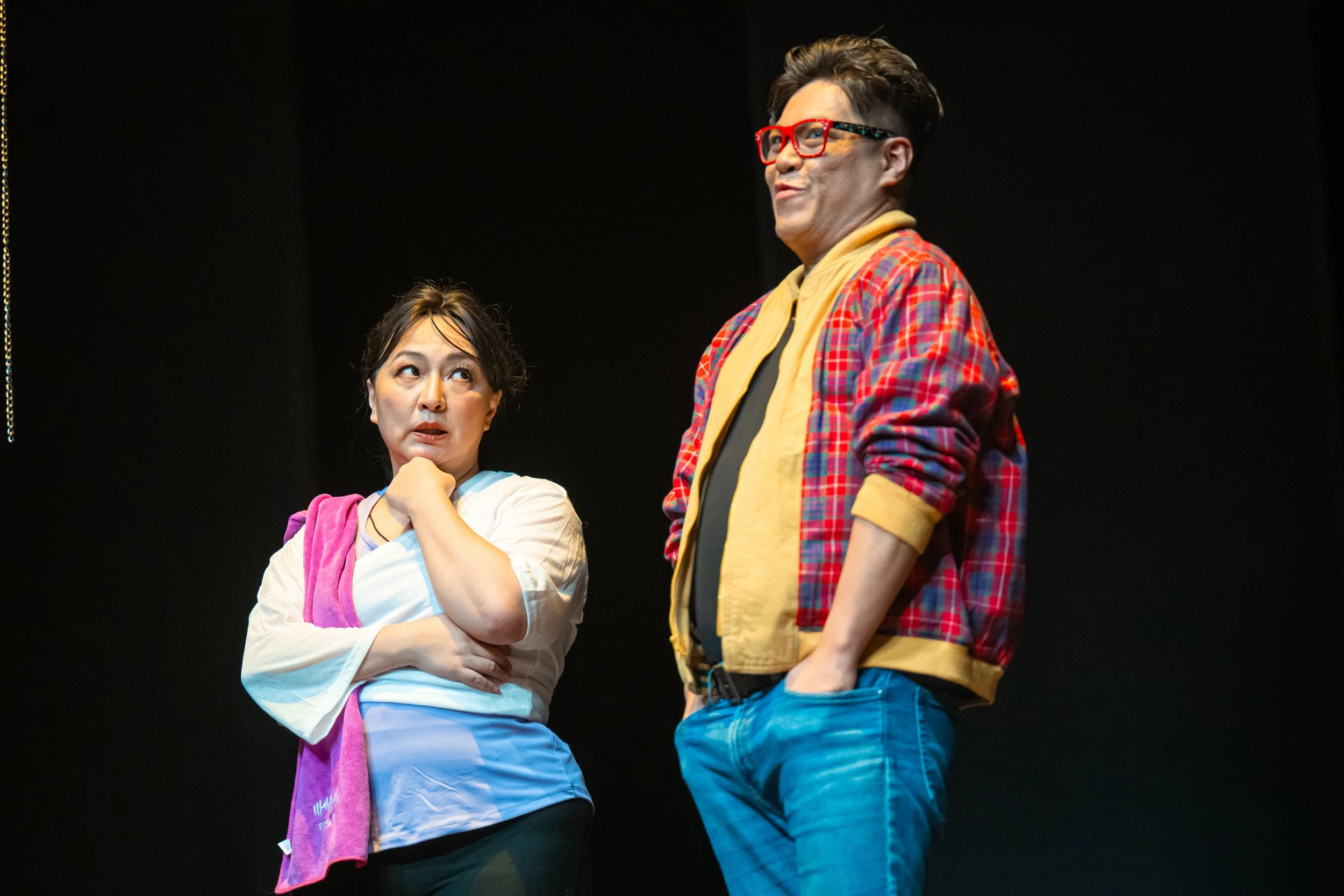
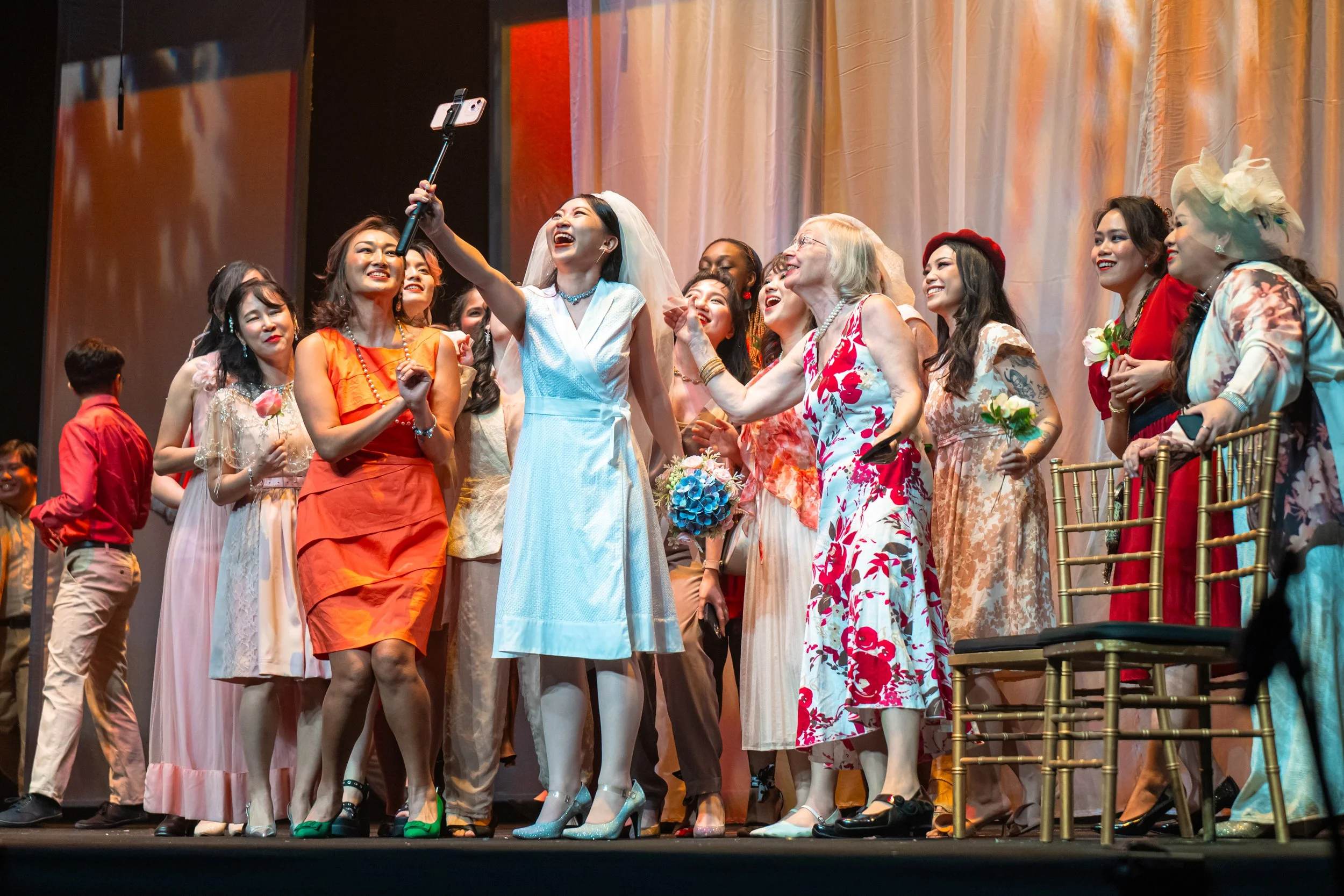
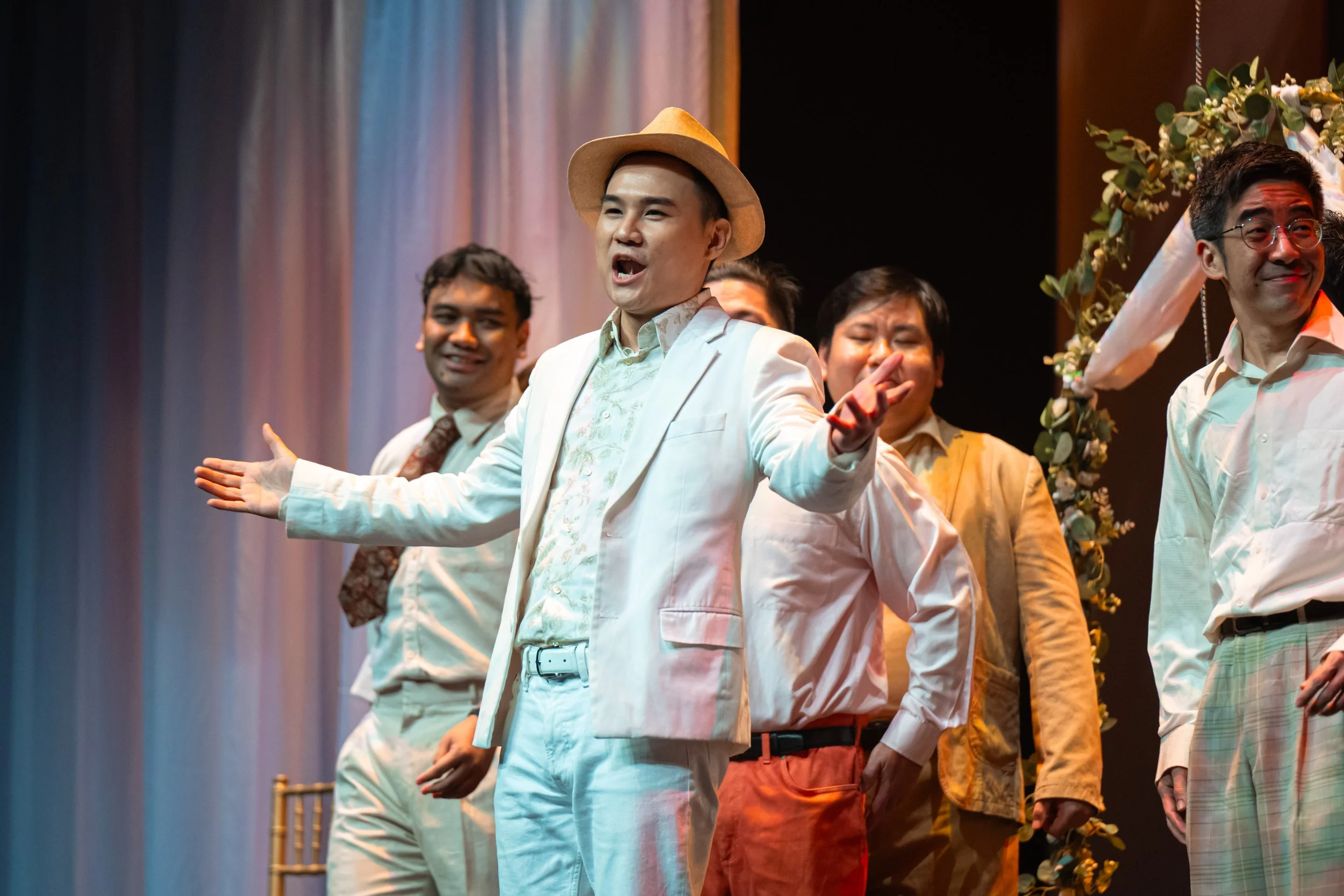
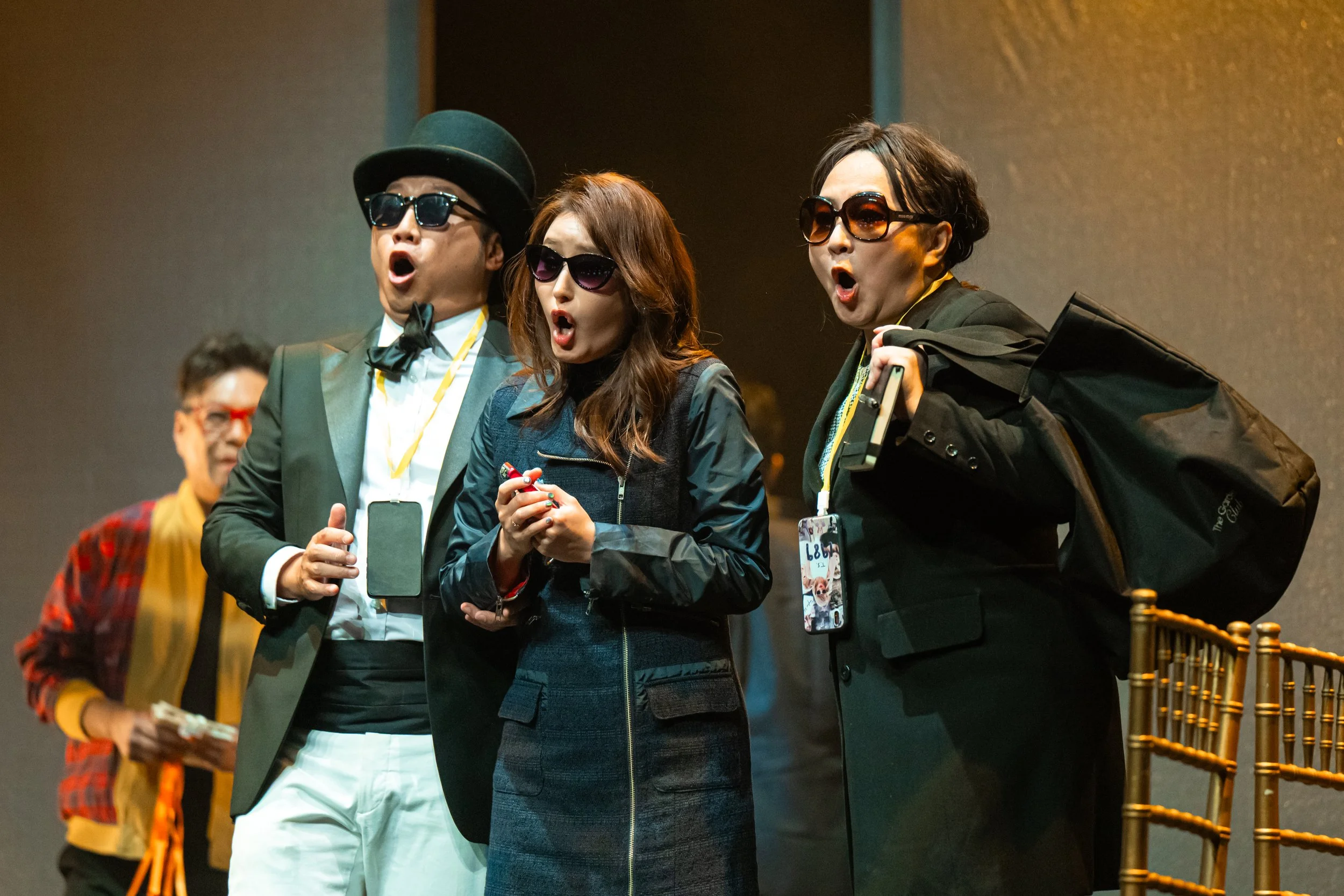
What did the production achieve beyond those stars? It made Mozart accessible and immediate—not by diluting his text, but by reframing it. For a Malaysian and international audience at KLPac, the production’s visual world, tempo and social resonance felt contemporary. The interplay of luxury and decay, seduction and consequence, privilege and accountability felt timely. The local cast and orchestra embraced the challenge and the outcome was confident, unified.
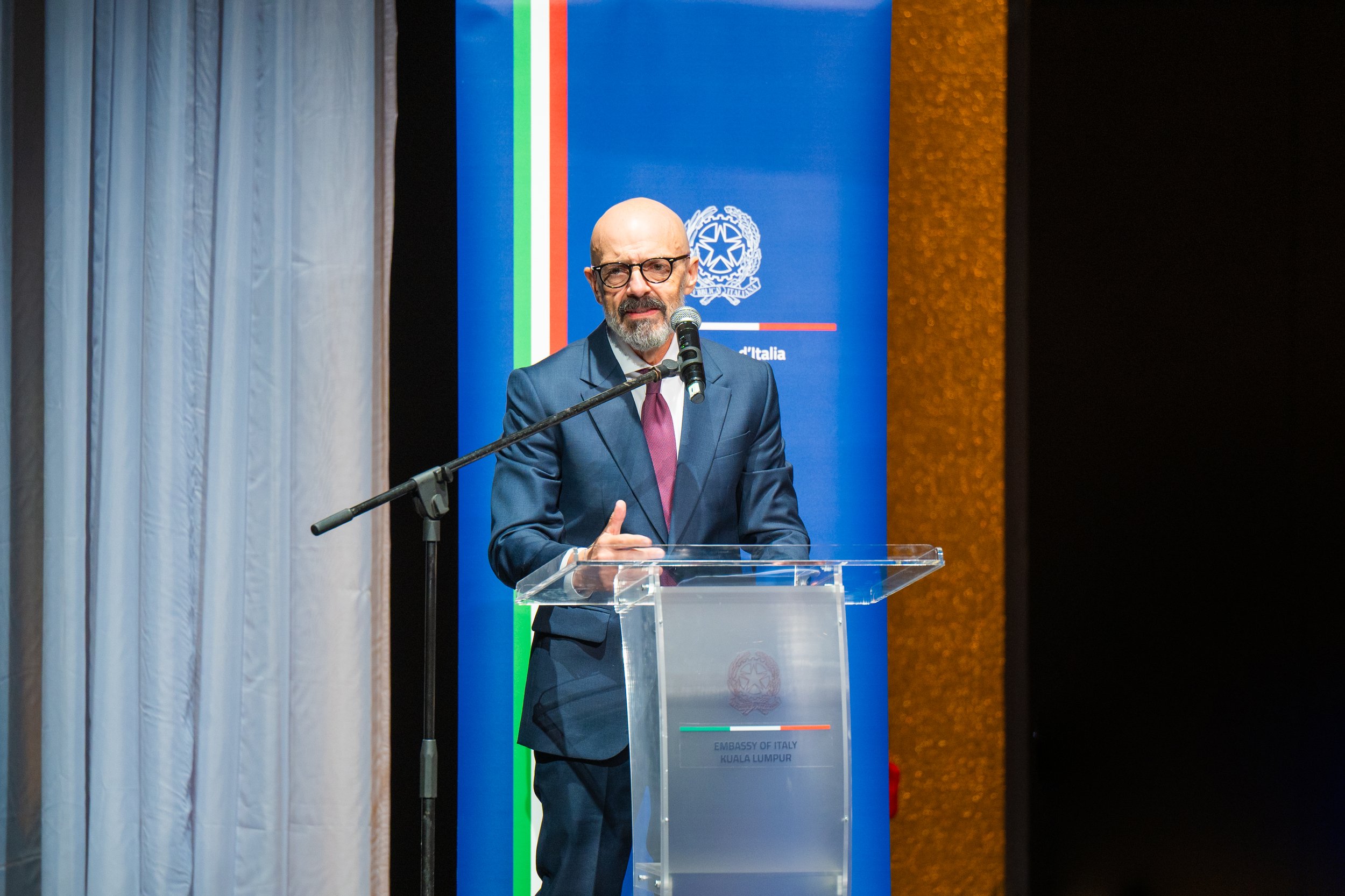
This production also carried significant cultural resonance beyond its artistic achievements. Presented as part of the Year of Italian Language in Malaysia, the performance underscored the enduring impact of Italian operatic heritage on global stages and the growing appreciation of opera within Malaysia’s vibrant performing-arts landscape. The evening was honoured by the presence of the Italian Ambassador to Malaysia, who delivered an eloquent opening statement celebrating the strength of cultural cooperation between Italy and Malaysia, and applauding Kuala Lumpur City Opera’s commitment to bringing masterpieces of the Italian operatic canon—such as Mozart and Da Ponte’s Don Giovanni—to Malaysian audiences.
Bericht online lesen: https://www.european-newsagency.de/kunst_kultur_und_musik/charisma_and_sparkling_youth_in_don_giovanni-92429/
Redaktion und Verantwortlichkeit: V.i.S.d.P. und gem. § 6 MDStV: Dr. Nadejda Komendantova
CAST
Don Giovanni - Cao Yi Xiao
Leporello - Chi Hoe Mak
Donna Anna - Victoria Seungri Kim
Donna Elvira - Saori Suzuki / Lim Yee Fen
Don Ottavio - Alan Lau / Heo Yueh Ren
Zerline - Angie Cheah / Bui Yik Ling
Masetto - Joseph Ng / James Long
Il Commendatore - Dennis Lau
KL City Opera Orchestra
KL City Opera Chorus
Children from the Opera for Kids & Teens workshop (indlue children from Dignity Foundation)
PRODUCTION TEAM
Producers - Danny Chen / Ho Soon Yoon
Conductor - Bernard Tan
Stage Director - Heather Tan
Lighting Design - Nicxon Tan
Sound Engineer - JJ Tan (JJ Soundworks)
Costume Design - Dominique Devorsine, Anne Wee Litza
Set Design - Yusman Mokhtar
Set Builder - Triple Eight Production
Graphic Design - Rachel Tan
Stage Manager - Tarrant Kwok
Assistant Stage Manager - Ever Lew
Stage Crew - Dee / Eqy